The Somme
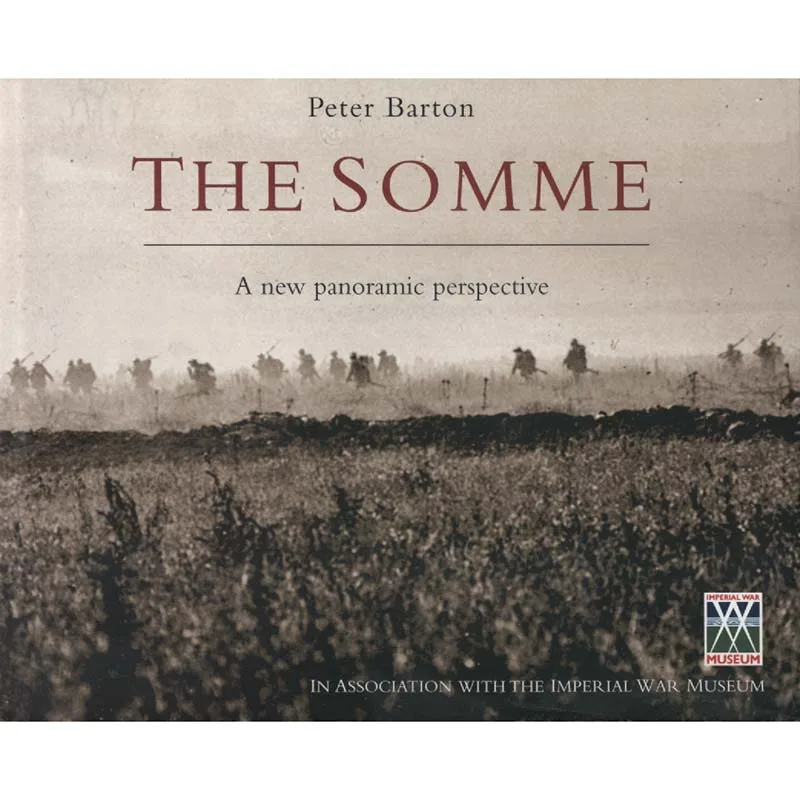
Publisher: Constable
Format: Paperback
ISBN: 9781845293994
“The Somme” by Peter Barton, published in 2006 by Constable, is not just a book; it’s a veritable time capsule housing the echoes of long-forgotten trenches, the scent of damp earth, and perhaps just a hint of mustard gas (which, for health and safety reasons, we highly recommend you steer clear of). Imagine a literary journey through the bitter, muddy remnants of World War I, where the author, armed with a pen and perhaps a questionable sense of humour, reconstructs the harrowing landscapes of the battlefields and the tales of those who were less than fortunate to call them home.
In this brilliantly gritty account, Barton addresses the stalemate that defined a generation. With a style as sharp as a soldier’s bayonet and an eye for detail that would make even the most fastidious historian weep, he presents the war not just as a sequence of dates and events, but as a living, breathing organism, albeit one that prefers to live in decidedly grim surroundings. Readers can expect to encounter an array of characters, from the valiant to the utterly bewildered, all navigating the muddy waters—both literal and metaphorical—of trench warfare.
What makes this account particularly fascinating is Barton’s penchant for juxtaposing personal anecdotes with grand historical narratives. You might find yourself laughing (in a somewhat inappropriate way) at the absurdity of survival amidst chaos, while simultaneously grappling with the sheer tragedy of the situation. No small feat when one considers the piles of dirt, despair, and questionable rations that characterised life on the front lines.
But what does “The Somme” offer that a history textbook does not? A flavourful exploration of the human condition, of course, wrapped in witty commentary and an occasional digression that might leave you pondering the meaning of bravery—or at least what it means to have a soggy biscuit in your pocket while dodging artillery fire. Barton’s knack for storytelling invites readers to experience not just the events of the battle, but the atmosphere, the sights, and even the sounds (note: your internet search for trench sounds might yield some unexpected results).
Here’s what you can expect from this intriguing piece of literature:
- In-depth analyses that could make your history professor shed a tear of pride.
- Moments of humour that might catch you off guard—laughter amid chaos is a coping mechanism, after all.
- Photographs and maps that could have you plotting your own misguided adventure to the battlefields (please don’t).
- A keen insight into the lives of those caught in the maelstrom, showcasing the resilience of the human spirit or perhaps just an extraordinary tolerance for mud.
- Footnotes that will make you question whether you really need to read them all (you don’t), but you probably will anyway.
Condition: This copy of “The Somme” is in good condition, which is frankly better than the conditions experienced in the actual trenches. Expect the usual signs of wear and the occasional coffee stain, perhaps left by a dedicated reader who couldn’t resist a mid-lecture caffeine fix, mistaking their latte for motivation. It’s a sturdy tome, ready to withstand the emotional weight of its content while still looking fairly respectable on your shelf—or coffee table, if you happen to be one of those people who like to impress their guests with a casual yet curated selection of rugged history.
In conclusion, if you find yourself on a rainy day with an urge for reflection mixed with a pinch of irony, “The Somme” is your perfect companion. It’s a book that invites you to ponder the absurdities of war while simultaneously reveling in the strength of the human spirit. Just remember, you can find it along with many other literary oddities at Crappy Old Books, where we believe every book has a story—even if it’s just one about being passed around at various second-hand shops.
Keep browsing: See more War books Other books by Peter Barton